
Introduction
When accidents involving blood and bodily fluids occur in a vehicle, the immediate concern often lies with safety and medical attention rather than the cleanup process. However, addressing biohazard contamination is essential to safeguard against chronic illnesses. This raises an important question: is biohazard cleanup covered under auto insurance?
In this article, we will explore biohazard cleanup, its relationship with auto insurance policies, the associated costs, and steps you can take if faced with such a situation.
Understanding Biohazard Cleanup
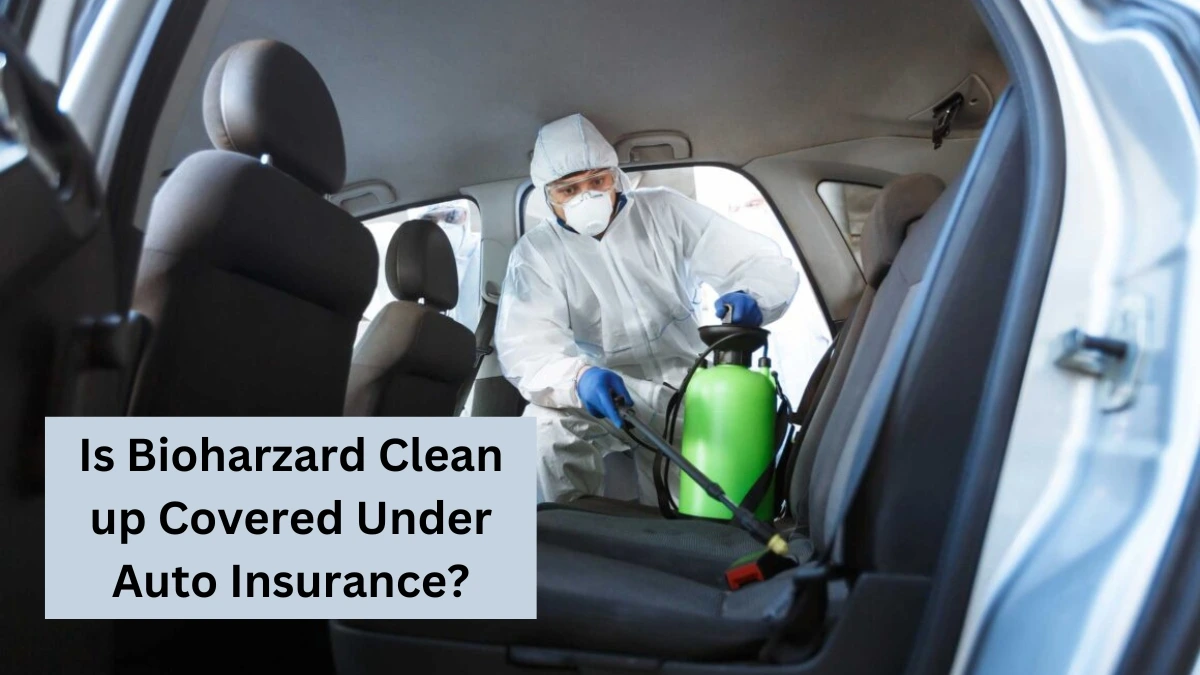
Biohazard cleanup refers to the professional removal and disposal of hazardous materials like blood, bodily fluids, and other infectious substances. These scenarios often arise after severe accidents or violent incidents. Specialized training, protective equipment, and strict adherence to safety regulations are essential for such tasks.
Professional biohazard cleanup ensures the vehicle is safe for use while mitigating risks to health and the environment. The expertise of trained technicians, combined with legal compliance, makes this process indispensable.
What Does Auto Insurance Typically Cover?
Auto insurance generally covers the following key areas:
- Liability Insurance: Covers damages to other parties or their property caused by the insured vehicle.
- Collision Insurance: Pays for repair costs if your car is damaged in a collision with another vehicle or object.
- Comprehensive Insurance: Covers non-collision-related damages, such as theft, vandalism, or natural disasters.
- Medical Payments Coverage: Pays for medical expenses incurred by the driver and passengers after an accident.
While these components offer protection for various scenarios, biohazard cleanup is often not included in standard policies. Let’s delve deeper into why this is the case.
Does Auto Insurance Cover Biohazard Cleanup?
The short answer is: it depends. Most auto insurance policies do not explicitly cover biohazard cleanup. Insurance focuses on vehicle-related liabilities, property damage, and medical expenses, whereas biohazard cleanup is often considered a separate issue.
However, exceptions exist. For instance:
- Fatal Accidents: Some policies may cover biohazard cleanup if bodily injury or death occurs.
- Vandalism: If a vehicle is vandalized, resulting in biohazard contamination, comprehensive insurance might cover the cleanup costs.
Coverage varies significantly by policy, so it is crucial to review your plan or consult with your insurer for clarification.
Why Biohazard Cleanup Isn’t Typically Covered
Biohazard cleanup requires specialized tools, trained personnel, and strict safety measures, making it a niche service beyond the scope of most auto insurance policies. Additionally, insurance companies categorize it as a health and safety issue rather than a vehicle-related concern. These factors contribute to the exclusion of biohazard cleanup from standard coverage.
Special Circumstances Where Coverage May Apply
Though rare, certain scenarios may warrant coverage for biohazard cleanup:
- Fatal Accidents: Policies may include cleanup costs if biohazard contamination results from bodily injuries or fatalities.
- Violent Crimes: If a vehicle is involved in a crime scene, some insurers may cover cleanup under vandalism or comprehensive policies.
- Firearm Incidents: Damage from gunfire or related biohazard contamination could qualify under specific circumstances.
Always consult your insurance provider to understand the specifics of your policy.
Steps to Take When Biohazard Cleanup Is Needed
If biohazard contamination occurs, follow these steps:
- Contact Your Insurance Provider: Inform your insurer about the incident and inquire about coverage options.
- Assess Contamination Scope: Determine the severity of the contamination and the required cleanup measures.
- Hire Professional Services: Engage certified biohazard cleanup experts to ensure safety and compliance with regulations.
How Much Does Biohazard Cleanup Cost?
The cost of biohazard cleanup varies based on factors like the extent of contamination and the vehicle’s condition. On average, cleanup costs range from $500 to $2,500. Severe cases or extensive damage may drive the cost higher. Since auto insurance rarely covers these expenses, you’ll likely need to pay out-of-pocket.
Alternatives to Auto Insurance for Biohazard Cleanup
If your auto insurance does not cover biohazard cleanup, consider these alternatives:
- Specialized Biohazard Cleanup Services: Professional companies offer thorough cleanup and disposal of hazardous materials.
- Homeowners Insurance: In rare cases, if an accident occurs at home, homeowners insurance might provide coverage.
- Health Insurance: Medical expenses resulting from biohazard exposure might be partially covered by health insurance.
What to Expect from Professional Biohazard Cleanup Services
Professional biohazard cleanup involves:
- Assessment: Evaluating the site to determine the extent of contamination.
- Containment: Isolating the affected area to prevent further exposure.
- Cleaning and Disinfection: Using specialized chemicals and techniques to clean and sanitize the vehicle.
- Disposal: Safely disposing of hazardous materials per local regulations.
Hiring experts ensures thorough cleanup and minimizes health risks.
How Biohazard Cleanup Affects Vehicle Value
Biohazard contamination can significantly reduce a vehicle’s resale value. Even after professional cleanup, potential buyers may hesitate due to the vehicle’s history. It is important to consider this depreciation when weighing the costs of cleanup versus replacement.
Case Studies: Biohazard Cleanup and Insurance Claims
- Case 1: After a fatal accident, biohazard cleanup costs were included in the medical reimbursement under the policy.
- Case 2: A stolen car recovered with biohazard contamination was covered under a comprehensive policy for vandalism cleanup.
These examples highlight the importance of understanding your policy’s terms and conditions.
How to Protect Yourself from Future Biohazard Cleanup Costs
To minimize potential costs:
- Review Your Policy: Ensure your coverage aligns with your needs.
- Consider Additional Coverage: Explore riders or specialized policies for biohazard cleanup.
- Practice Safe Driving: Prevent accidents by adhering to road safety rules and maintaining your vehicle.
Conclusion
Biohazard cleanup is not typically covered under standard auto insurance policies, but exceptions exist depending on the circumstances and policy terms. Understanding your coverage and exploring alternative options can help you manage these costs effectively. When in doubt, consult your insurer and consider additional coverage for peace of mind.
Will blood in my car be covered by auto insurance?
Generally, no. However, specific situations like fatal accidents might be exceptions.
Can I purchase additional coverage for biohazard cleanup?
Yes, some insurers offer specialized riders.
What should I do if my insurer denies coverage?
Review your policy, file an appeal, or explore alternative solutions.
How much does professional biohazard cleanup cost?
Costs typically range from $500 to $2,500, depending on the severity of contamination.